We practice medicine, and help write it.
Nephrology Associates, PC is a physician-owned nephrology group in Augusta, Georgia: ten board-certified nephrologists, five advanced practice providers, six offices across the Central Savannah River Area, and a clinical research institute whose investigators are published in the New England Journal of Medicine.
For nephrology fellows: a physician-owned group of ten where you see patients in clinic and enroll them on the same protocols the field reads about in the New England Journal of Medicine, on a partnership track, in Augusta, Georgia.
Owned by the physicians who work in it.
No hospital system and no private equity. Decisions about how we practice are made in the building by the physicians who see the patients, which is why the group has kept the same character across a generation of nephrologists.
Through Southeastern Clinical Research Institute, the research arm the practice founded more than 25 years ago, every one of our physicians is an investigator. The institute has conducted more than 200 studies for sponsors including Lilly, AstraZeneca, Bayer and Novo Nordisk, and our physicians are among the authors of the SPRINT, DAPA-CKD and vadadustat papers in the New England Journal of Medicine. Those trials ran in the same exam rooms where the patients were already being seen.
The result is a practice that spans the whole arc of kidney care: CKD clinics, hospital coverage, dialysis units directed by our physicians, transplant coordination, hypertension, and interventional nephrology, across a metro of 637,000 people and the rural counties around it.
An investigator from year one, on the patients you see in clinic.
Most first jobs make you choose between practice and research. Here the nephrologist who sees a patient in clinic is the one who enrolls and follows them on protocol, with a coordinator team carrying the regulatory load. We practice medicine, and help write it.
- ResearchFrom the first yearJoin protocols as a sub-investigator in your first year, attend the weekly research meeting, and see study patients in a dedicated research clinic. Studies enrolling now are listed at /scri/studies.
- PartnershipPhysician-ownedA track to ownership in a physician-owned group, with dialysis medical directorships and the research institute as part of the picture. Base, guarantee, incentives and the timeline go in writing before a visit.
- StandingCredentials in the groupFellows of the American Society of Nephrology and the American College of Physicians; certifications in clinical hypertension (ASH) and interventional nephrology (ASDIN); NEJM authorship; faculty appointments at the Medical College of Georgia.
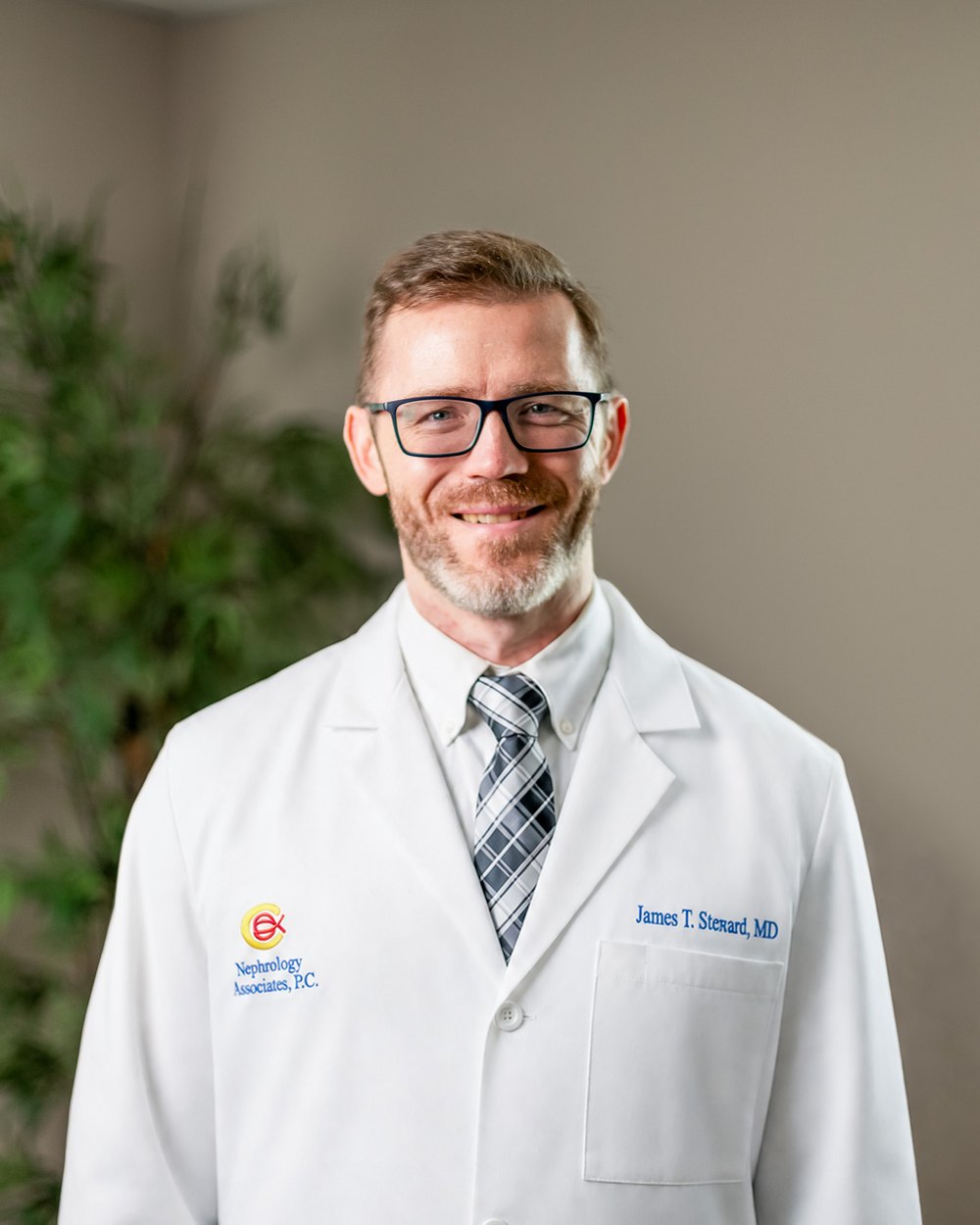
- MentorsWho have made the moveDr. Diamond was a professor of medicine at MCG and a SPRINT investigator. Dr. Altenburg trained at Walter Reed and directs two dialysis centers. Dr. Stenard was an MIT engineer first. Six of us trained or taught at MCG.
- Where you areFirst or second yearFirst-year fellows: come spend a day, no pitch. Second-year fellows: a call with one of our physicians, a visit with your family, and an offer outline in writing.

Why the physicians stayed.
I trained in the Air Force and came home to Augusta to practice. What kept me here is a group that owns its own decisions, and a research institute we built so our patients would be first in line for what comes next.
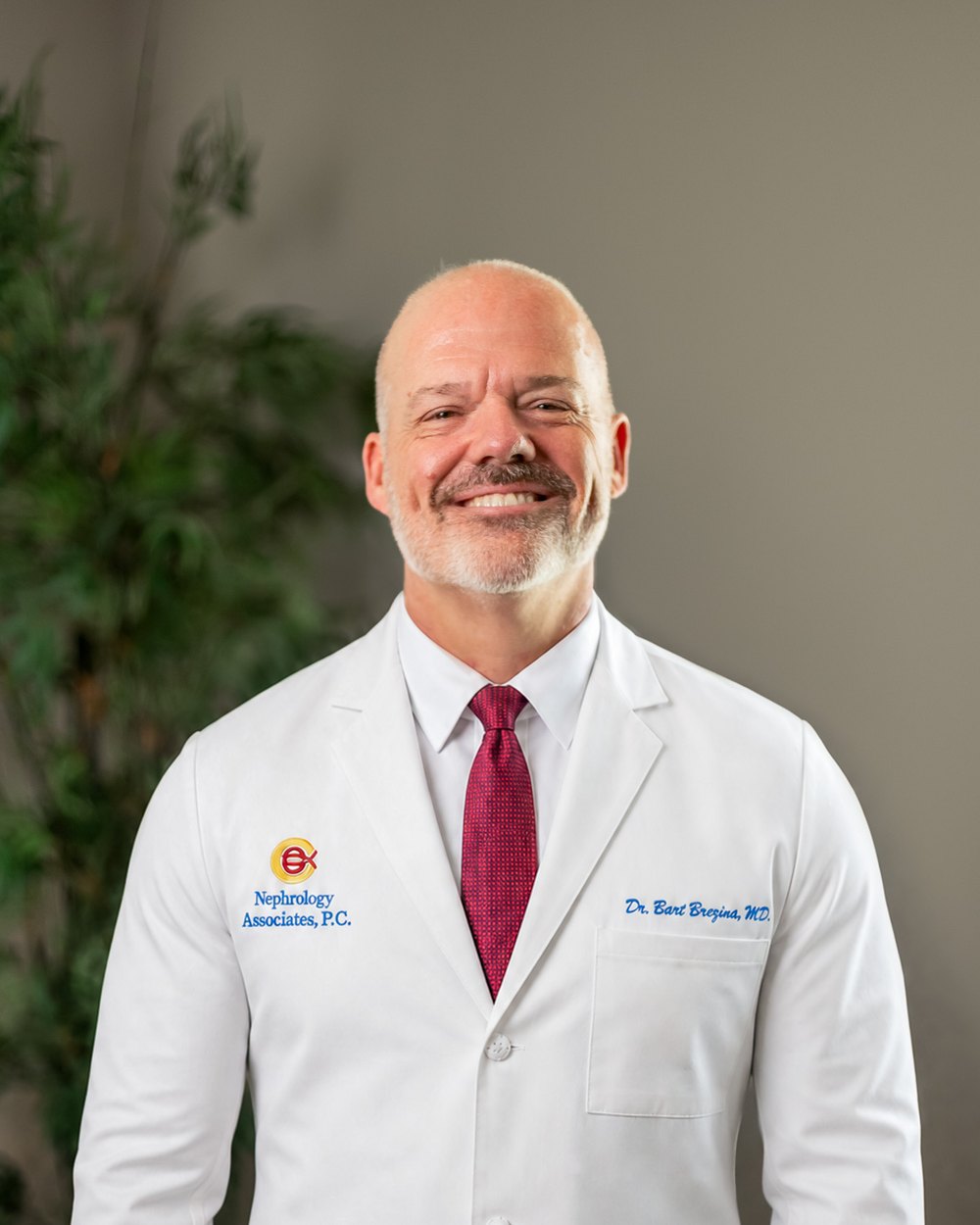
I left a professorship at the Medical College of Georgia to run research inside a practice. The science is the same. The difference is that the patient in the trial is a patient one of us has known for years.
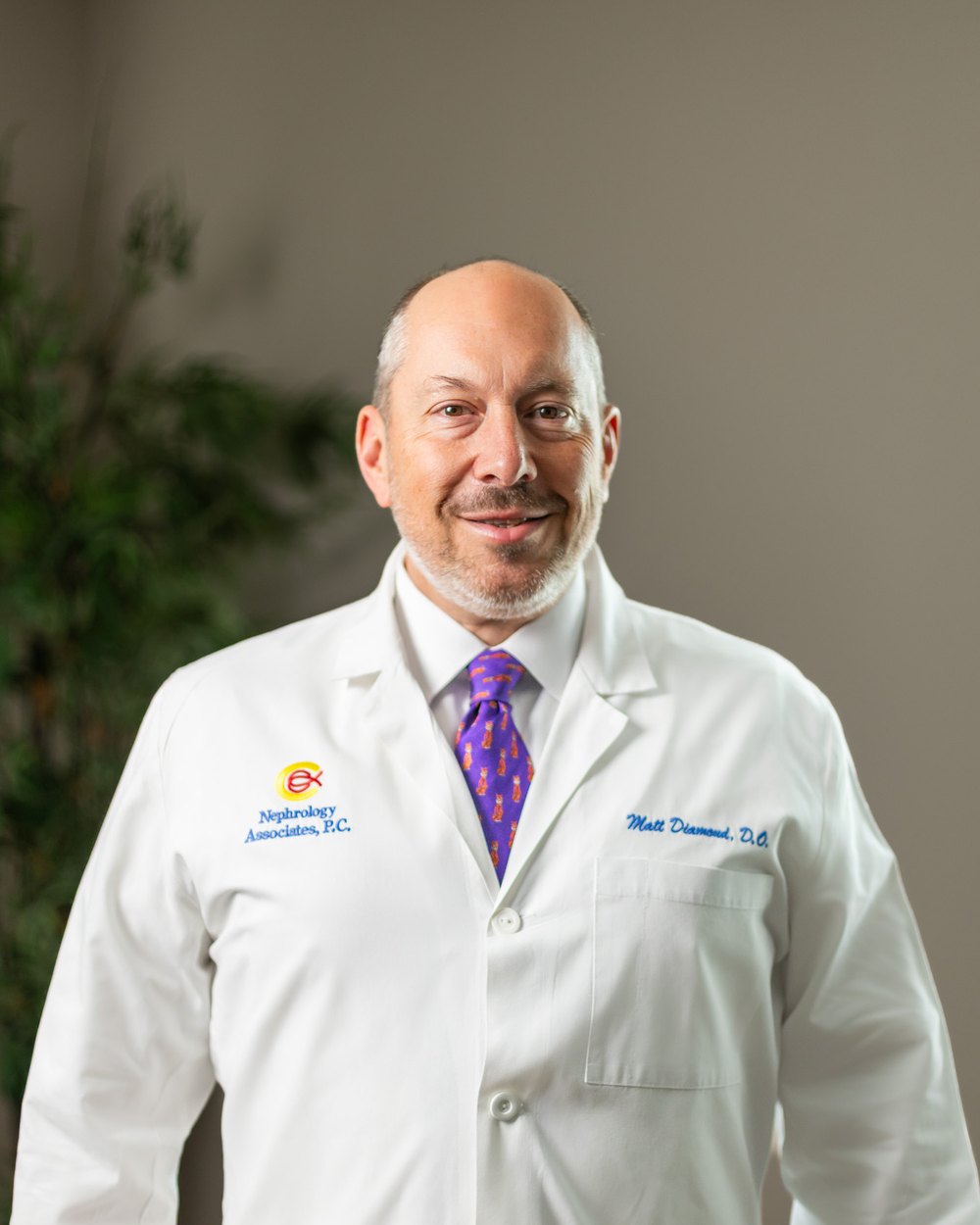
At Walter Reed you learn to run a service. Here I direct two dialysis centers and sit on protocols in the same week. Nobody asked me to choose between the two.
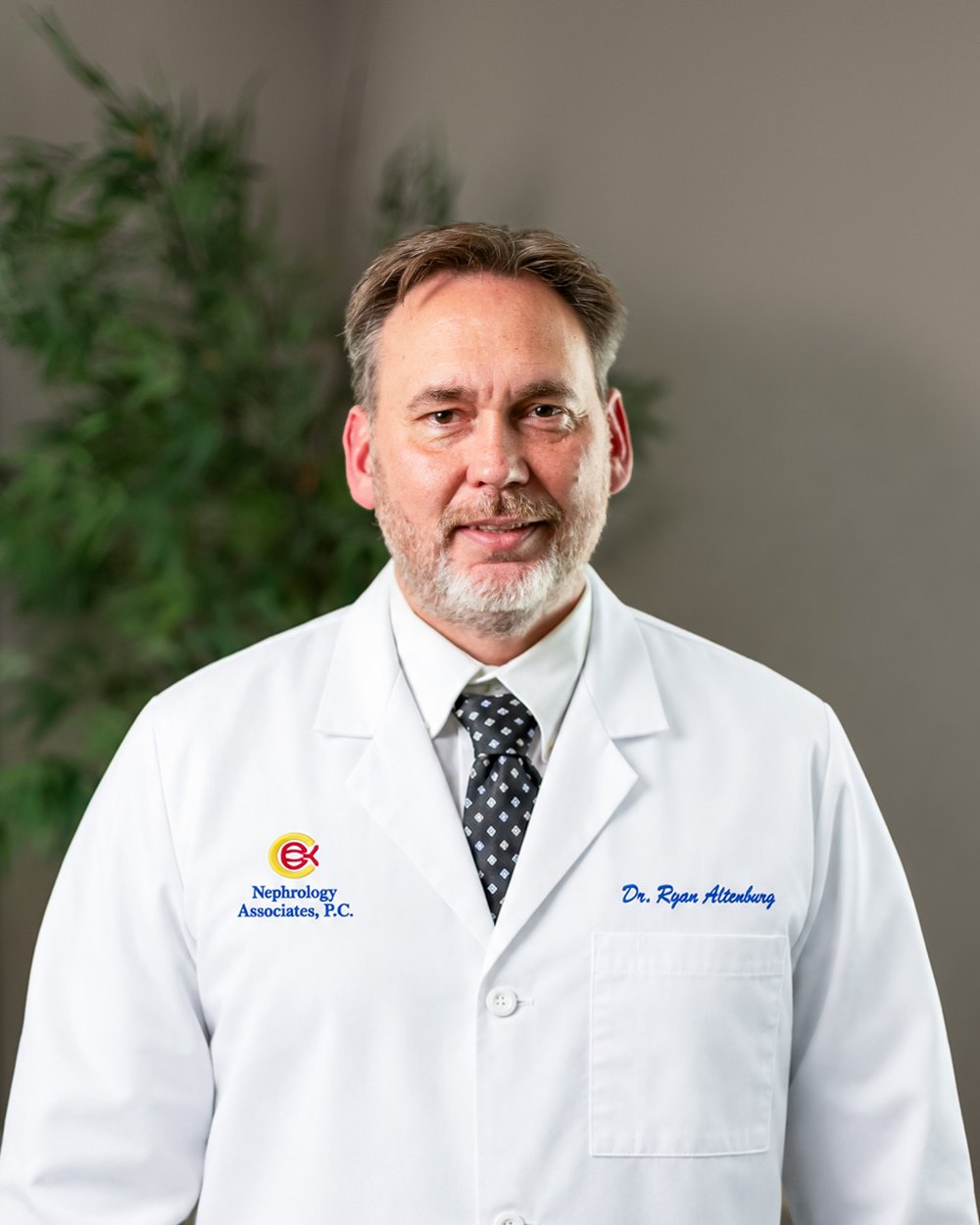
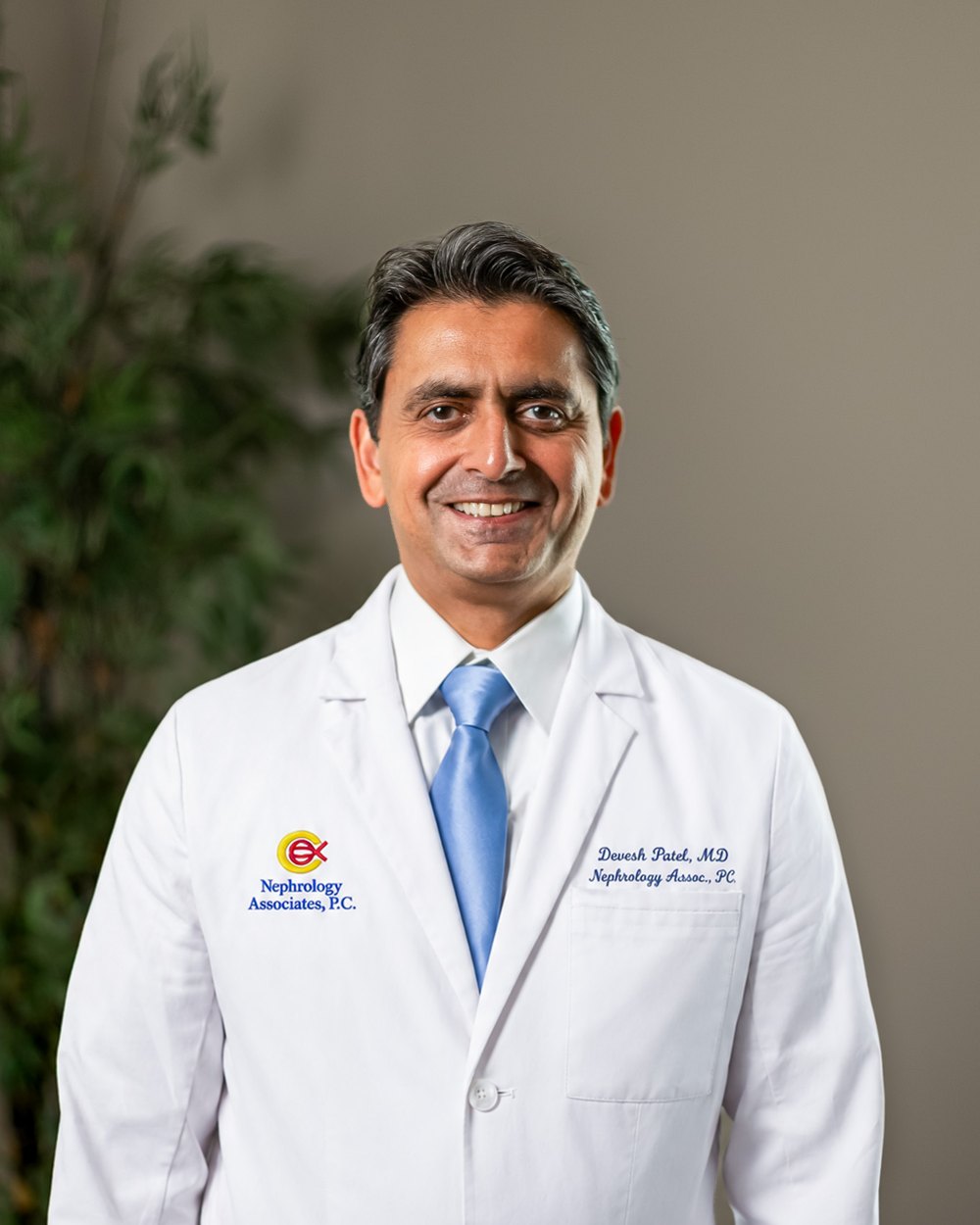
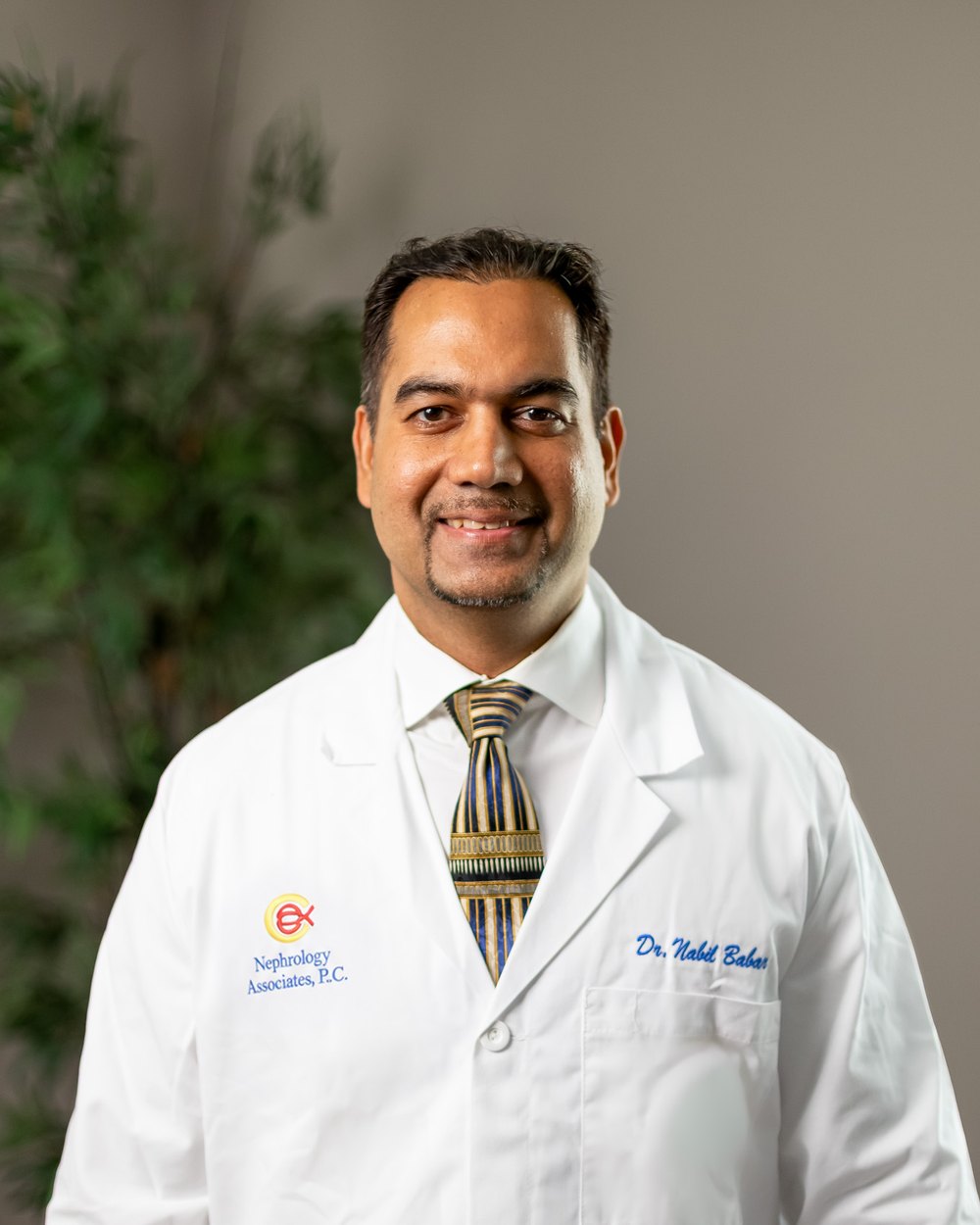
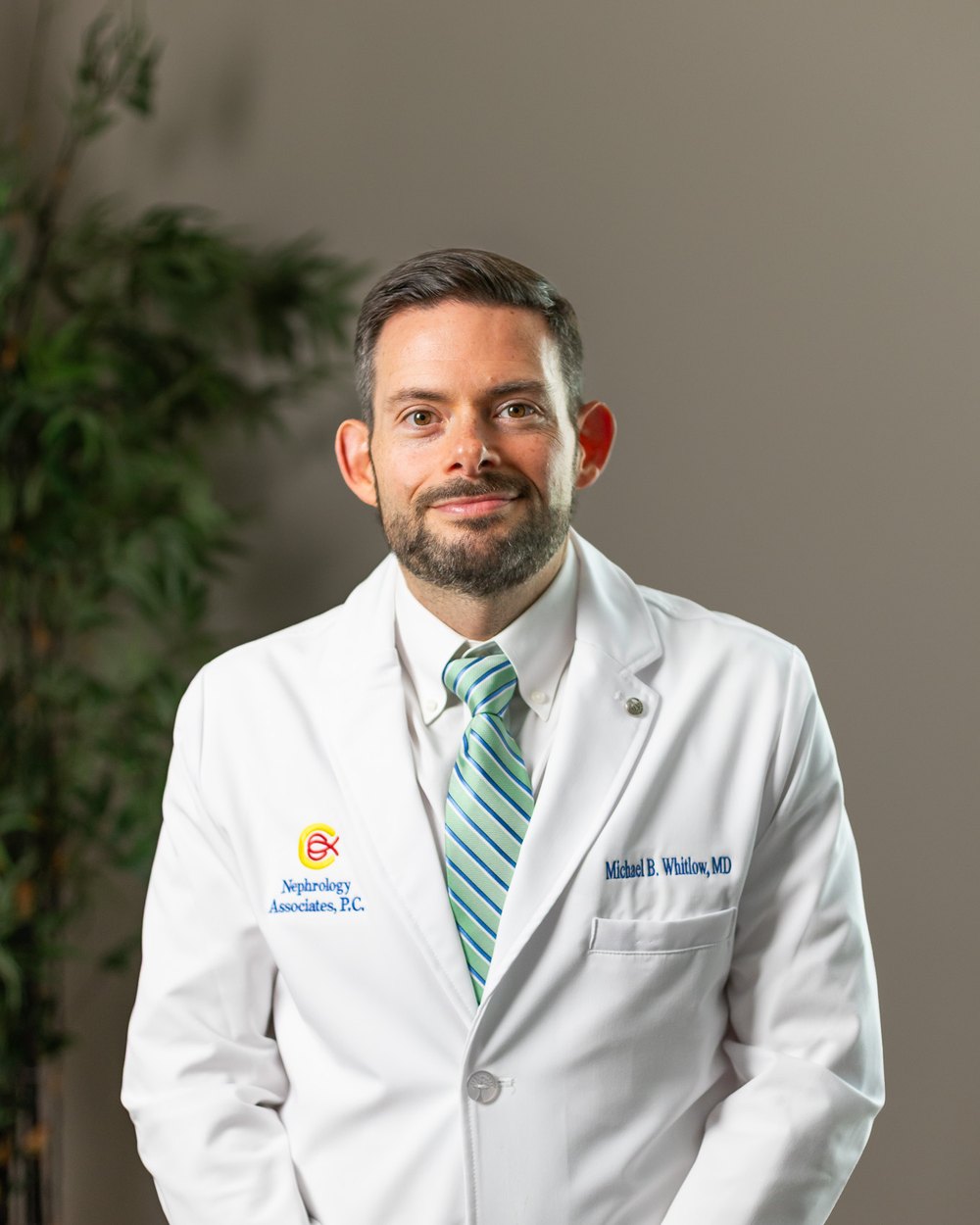
Ten nephrologists. Ten roads here.
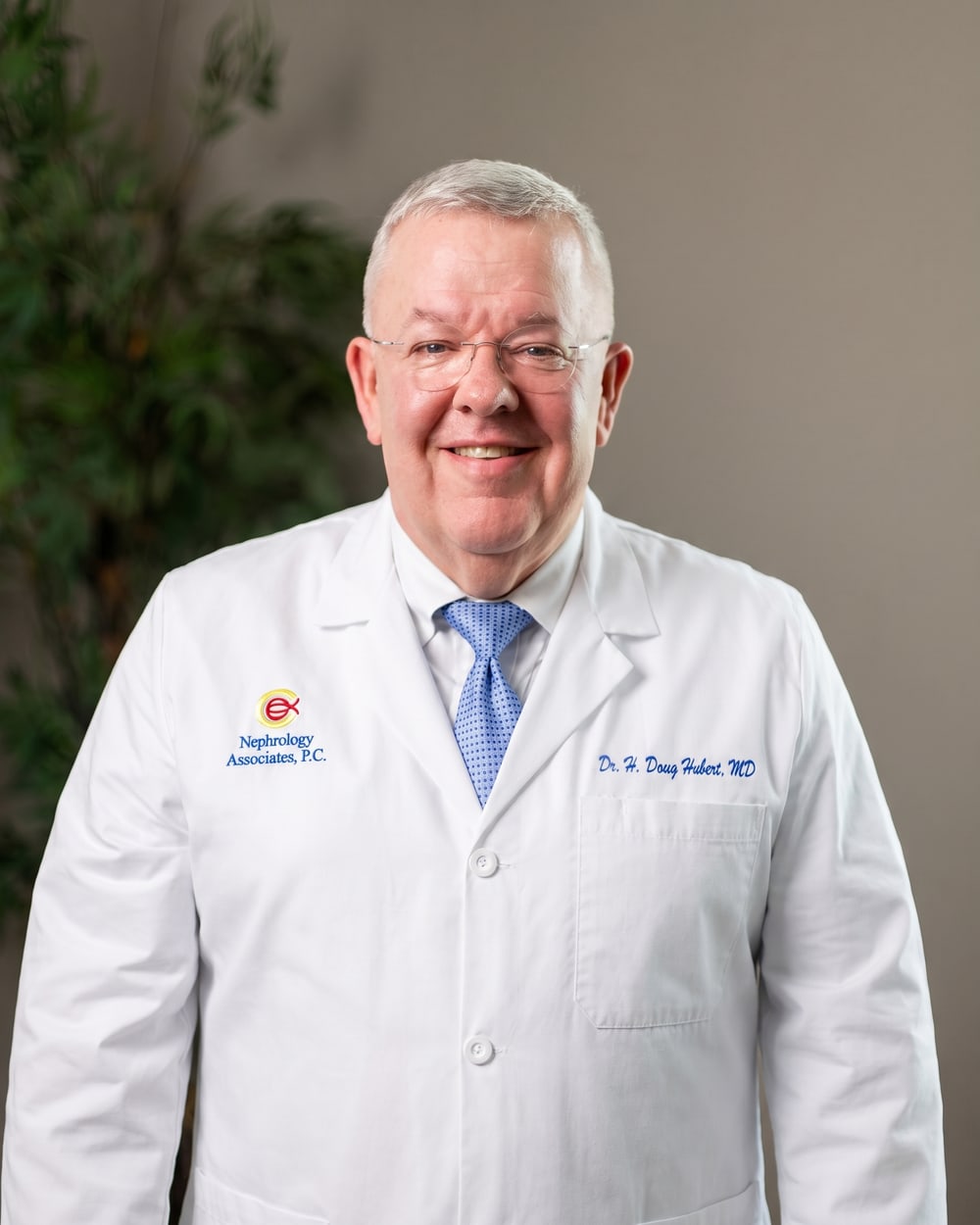
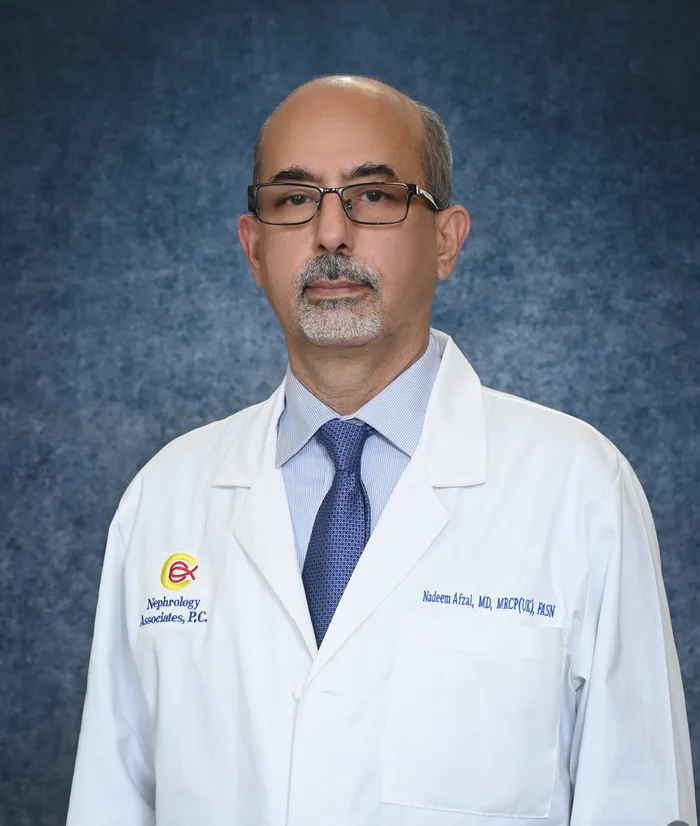
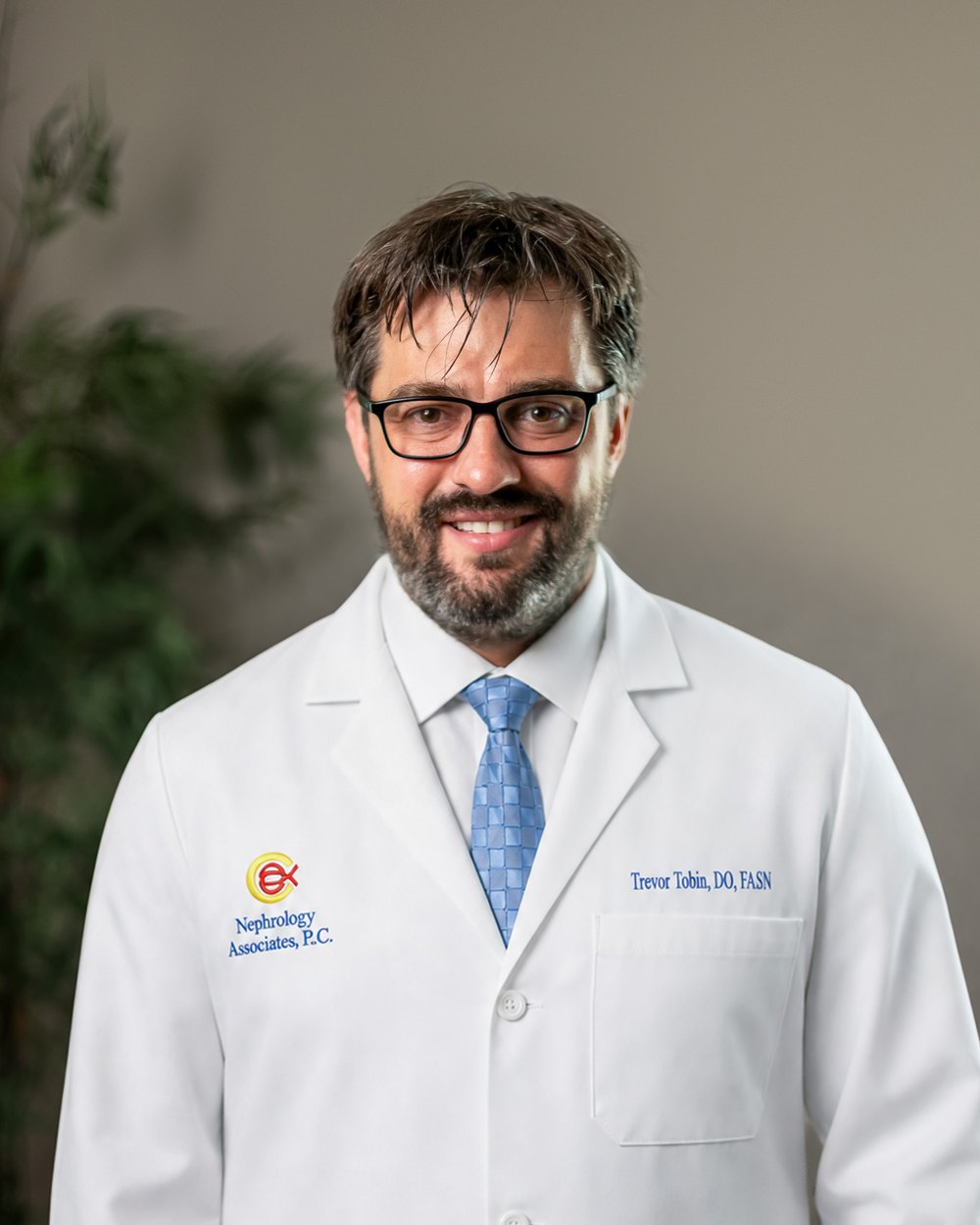
Military fellowships at Wilford Hall and Walter Reed. Fellowships at the Medical College of Georgia, UAB, Robert Wood Johnson and SUNY Upstate. An MIT engineering degree. Board certifications from the ABIM, ASH and ASDIN. Every physician below is an investigator with Southeastern Clinical Research Institute, and every one of them will take a colleague's call.
A river city with a medical college, and room to live.
Augusta is the second-largest metro in Georgia, on the Savannah River at the South Carolina line: home to the Medical College of Georgia, to Fort Eisenhower and the Army's Cyber Center of Excellence, and each April to the Masters. Physicians who move here tend to say the same two things: the cost of living, and how close everything else is.
- 637kPeople in the Augusta metro area (2024)USAFacts, Census Bureau data
- 13%Below the national average cost of living; 5% below Georgia'sRentCafe cost-of-living index, 2026
- 22,000Service members trained each year at the Army Cyber Center of Excellence, Fort EisenhowerU.S. Army
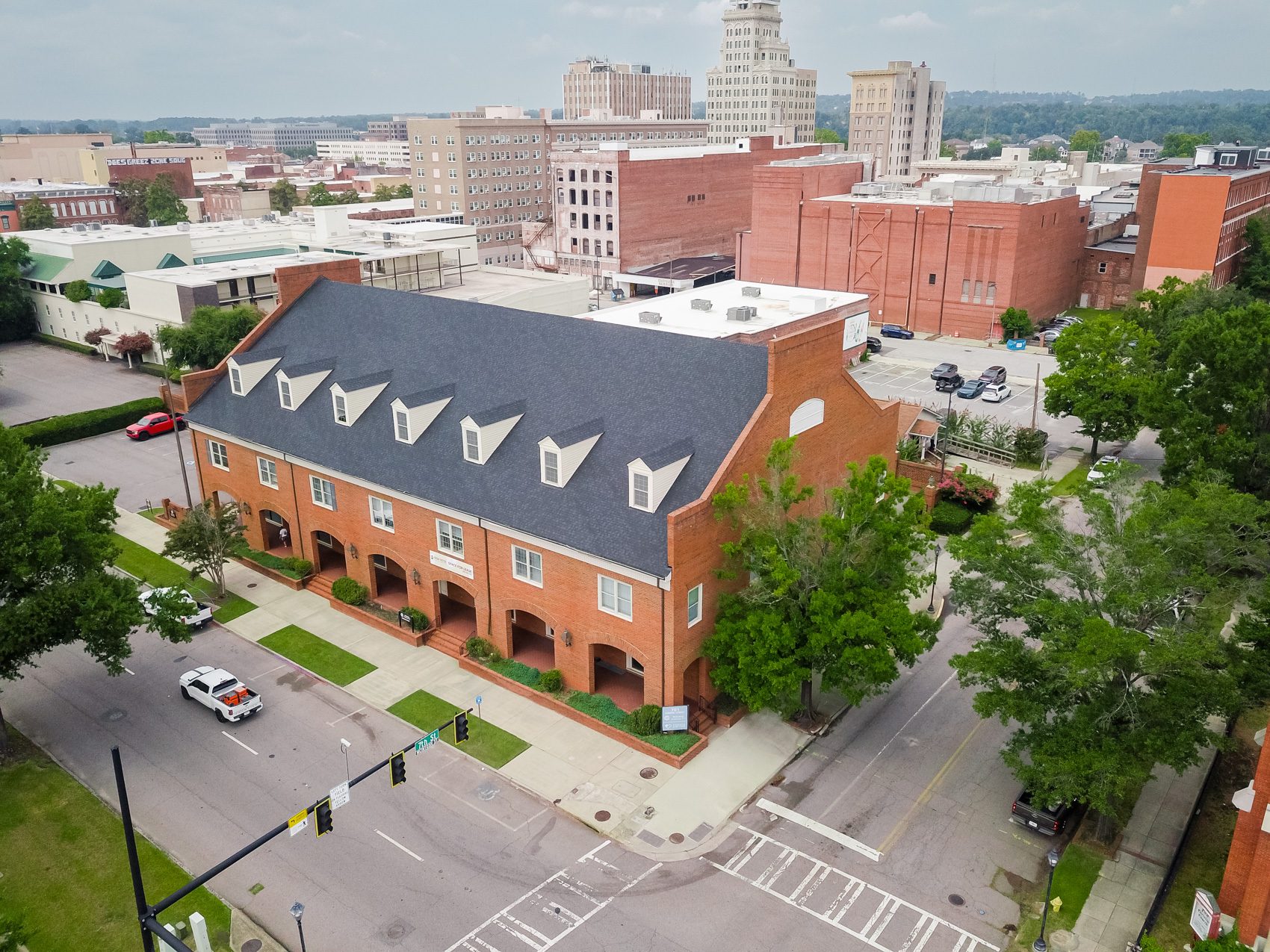
Downtown Augusta, where our Greene Street office sits, is on the river and the Augusta Canal, a few blocks from the Medical College of Georgia. Evans and Columbia County, ten minutes west, are where many of our physicians live. Ask any of us about schools, neighborhoods and the commute.
The roles we hire for, across six offices.
Openings change through the year. Tell us about yourself and the practice administrator will reach out about current and upcoming positions.
- NephrologistsBoard-certified or board-eligible, MD or DO. Clinic, hospital coverage, dialysis rounds and research on a partnership track.
- Nurse practitioners and physician assistantsFive APPs practice alongside our physicians in clinic and dialysis, each primarily supporting one physician's panel.
- Nurses and clinical staffRNs, medical assistants and dialysis specialists across Augusta, Evans and the satellite offices.
- Research coordinatorsCertified clinical research coordinators, regulatory and pharmacy roles at Southeastern Clinical Research Institute.
- Dietitians and care coordinatorsNutrition, transplant coordination and the patient education that keeps people off dialysis longer.
- Front office and administrationReception, scheduling, referrals and billing: the people who make six offices feel like one practice.
We practice medicine, and help write it: what integrated research looks like inside a physician-owned nephrology practice.
How a ten-physician group runs 200+ clinical trials in its own clinics, what that does for patients, and what it does for a physician's career. With the questions to ask any practice about its research.
Tell us who you are and where you are in training or practice.
Physicians and fellows hear back from one of our nephrologists. Everyone else hears from the practice administrator. Nothing here is shared with recruiters or sponsors.
- Practice
- (706) 722-6900 · 701 Greene Street, Augusta, GA 30901
- Physicians and fellows
- A conversation with one of our nephrologists, then a visit if it fits. Nephrology Associates, PC is an equal opportunity employer.
- Research careers
- Southeastern Clinical Research Institute · (706) 922-3005